Orthodontic Retainers: Types, Wear Time, and Care After Braces or Aligners
Finishing braces or aligner treatment is a big milestone. But the work does not end when the braces come off or the last aligner tray is done. Teeth naturally want to drift back toward their original position, and retainers are what hold your new smile in place. Understanding the types available and how to wear and care for them will help protect the results you worked hard for.
Why Retainers Are Necessary
After orthodontic treatment, the bone, gums, and ligaments around your teeth need time to settle into their new positions. Without a retainer, even minor shifting can undo months or years of alignment work. This is why every patient who completes braces or aligner treatment at our Sector 57, Gurugram clinic is fitted with a retainer plan before finishing up.
Types of Orthodontic Retainers
Hawley Retainers
These are removable retainers made of a metal wire and an acrylic base that sits against the roof of the mouth or along the tongue side of the lower teeth. They are durable, adjustable, and have been used for decades. Some patients like that small adjustments can be made if needed.
Clear Plastic Retainers
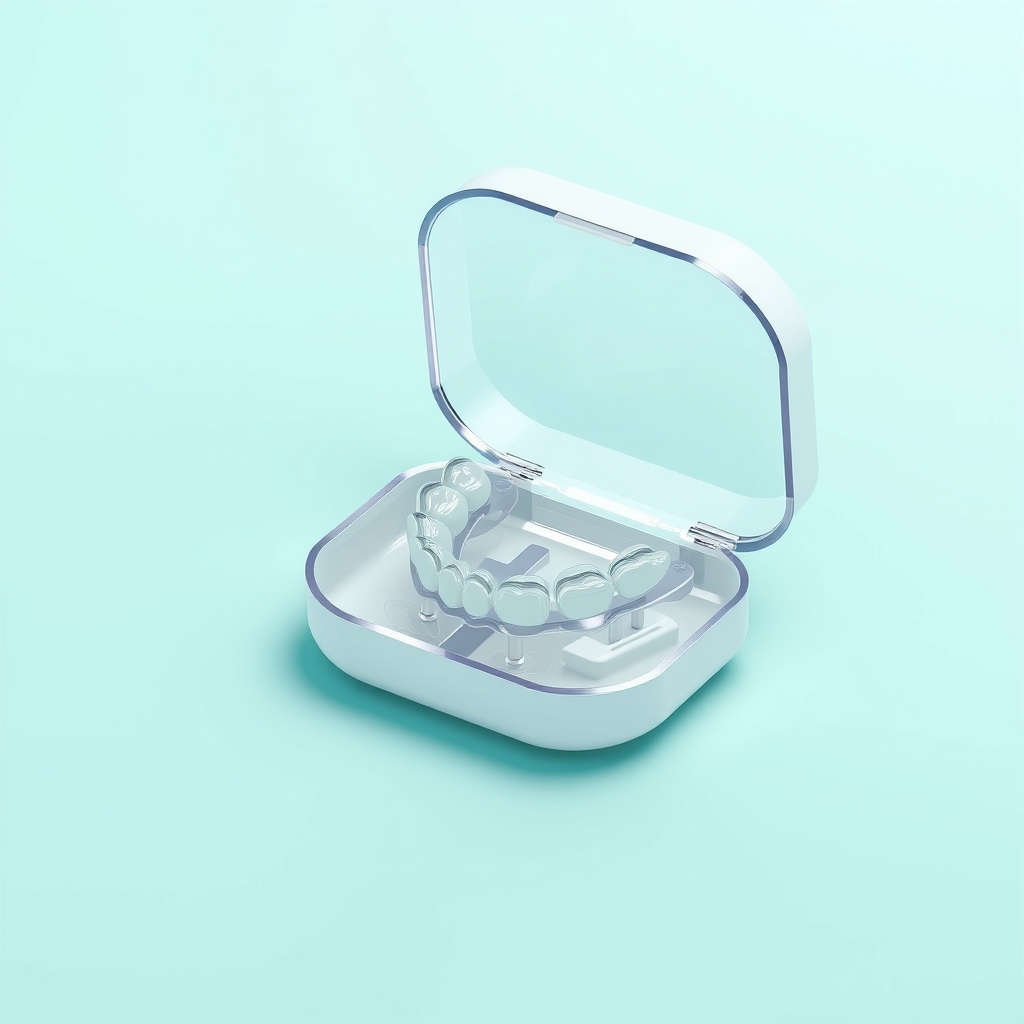
Also called essix retainers, these are similar in appearance to clear aligners. They fit snugly over the entire arch of teeth and are less noticeable than Hawley retainers. They tend to be a popular choice for patients who finished treatment with clear aligners.
Fixed (Bonded) Retainers
A thin wire is bonded to the back of the front teeth, usually the lower front teeth, and stays in place permanently unless removed by a dentist. These are useful for patients who had significant gaps closed or rotations corrected, since they work continuously without relying on patient compliance.
| Retainer Type | Visibility | Removable | Typical Care Level |
|---|---|---|---|
| Hawley | Noticeable wire | Yes | Moderate |
| Clear Plastic | Barely visible | Yes | Higher (prone to scratches) |
| Fixed/Bonded | Not visible | No | Requires careful flossing |
How Long Should You Wear a Retainer?
Retainer schedules vary by case, but a general pattern often looks like this:
- First 3 to 6 months: Full time wear, removing only to eat, drink, and clean the retainer and teeth.
- Next 6 to 12 months: Night time wear only, as teeth become more stable.
- Long term: Many dentists recommend night time wear a few times a week indefinitely, since teeth can shift at any age.
Fixed retainers are worn continuously and are usually left in place for several years, with regular checks to make sure the wire is intact and gums stay healthy around it.
Your exact schedule should come from your dentist based on how your teeth respond, so always follow the plan given during your visits to our Sector 57, Gurugram clinic.
Cleaning Your Retainer
Removable Retainers (Hawley and Clear Plastic)
- Rinse with lukewarm water every time you take it out.
- Brush gently with a soft toothbrush, avoiding regular toothpaste which can be abrasive.
- Soak occasionally in a retainer cleaning solution or a mild diluted solution recommended by your dentist.
- Avoid hot water, as it can warp plastic retainers.
Fixed Retainers
- Use a floss threader or orthodontic floss pick to clean under the wire daily.
- An interdental brush can help remove plaque build up around the bonded area.
- Attend regular dental check ups so the wire and bonding can be inspected.
Storing Your Retainer Safely
Always keep removable retainers in their case when not worn. Leaving them wrapped in tissue or loose in a bag is one of the most common ways retainers get lost, thrown away by accident, or damaged. Keep the case away from direct heat, such as inside a hot car, and away from pets that may be attracted to the smell or texture.
Signs Your Retainer Needs Attention
- It feels tight or does not fit the way it used to, which may mean some shifting has already started.
- Visible cracks, warping, or a loose wire on a fixed retainer.
- Persistent bad odour despite regular cleaning.
If you notice any of these signs, it is best to get it checked rather than waiting, since early attention can prevent further shifting.
Retainer Costs
Costs depend on the type of retainer, materials used, and whether it is a replacement or part of your original treatment plan. As a general guide, patients in Sector 57, Gurugram can expect a typical range for a single retainer, with fixed and clear plastic options often priced differently from Hawley retainers. Your dentist can give you a clearer estimate based on your specific case during a consultation.
Have questions about your teeth?
Dr Aishwarya's Dental Clinic · Sector 57, Gurugram
Frequently asked questions
Can I switch from wearing my retainer at night to only a few times a week?
Only after your dentist confirms your teeth have stabilised, usually after the first year. Stopping too early is a common reason teeth shift back.
What happens if I lose my retainer for a few days?
Teeth can start to shift within days, especially soon after treatment. Contact the clinic promptly so we can check your teeth and arrange a replacement if needed.
Are clear retainers as effective as Hawley retainers?
Both work well when worn as prescribed. The right choice depends on your bite, budget, and how discreet you want the retainer to look.
Can I eat and drink with my retainer in?
Removable retainers should come out for eating and drinking anything except water, to avoid damage and staining. Fixed retainers stay in place, so normal brushing and flossing habits need adjusting around the wire.
Treatment costs mentioned on this page are indicative ranges for the Sector 57, Gurugram region. Your exact cost depends on your case and will be confirmed after a clinical examination at the clinic.