Teeth Grinding (Bruxism): Causes, Warning Signs, and Treatment Options
Many people grind or clench their teeth without even realising it, often during sleep. This habit, known as bruxism, can quietly wear down teeth and strain the jaw over months or years. If you have noticed jaw pain, morning headaches, or teeth that look flatter than before, it may be time to understand what is happening and how to address it.
What Causes Teeth Grinding
Bruxism can happen while you are awake or asleep, and the causes differ slightly for each.
- Stress and anxiety: Emotional tension is one of the most common triggers, especially for daytime clenching.
- Sleep-related bruxism: This is often linked to disrupted sleep patterns or conditions like sleep apnoea.
- Bite misalignment: Teeth that do not fit together properly can encourage grinding.
- Lifestyle factors: High caffeine or alcohol consumption, smoking, and certain medications can increase the likelihood of grinding.
- Concentration habits: Some people clench their jaw unconsciously while focused on work or screens.
Warning Signs to Watch For
Bruxism often develops gradually, so the signs can be easy to dismiss at first. Common indicators include:
- Dull headaches, especially near the temples, noticed soon after waking
- Jaw pain, tightness, or a clicking sound when opening the mouth
- Increased tooth sensitivity to hot or cold
- Flattened, chipped, or worn tooth edges
- Sore facial muscles or an aching feeling in the ears
- A partner mentioning grinding sounds during sleep
If several of these sound familiar, it is worth getting your teeth and jaw examined rather than waiting for the discomfort to worsen.
Why Early Attention Matters
Left unmanaged, chronic grinding can lead to worn enamel, cracked teeth, gum recession near the affected teeth, and ongoing jaw joint strain (often called TMJ discomfort). Catching it early usually means simpler, less invasive treatment.
Treatment Options for Bruxism
Night Guards
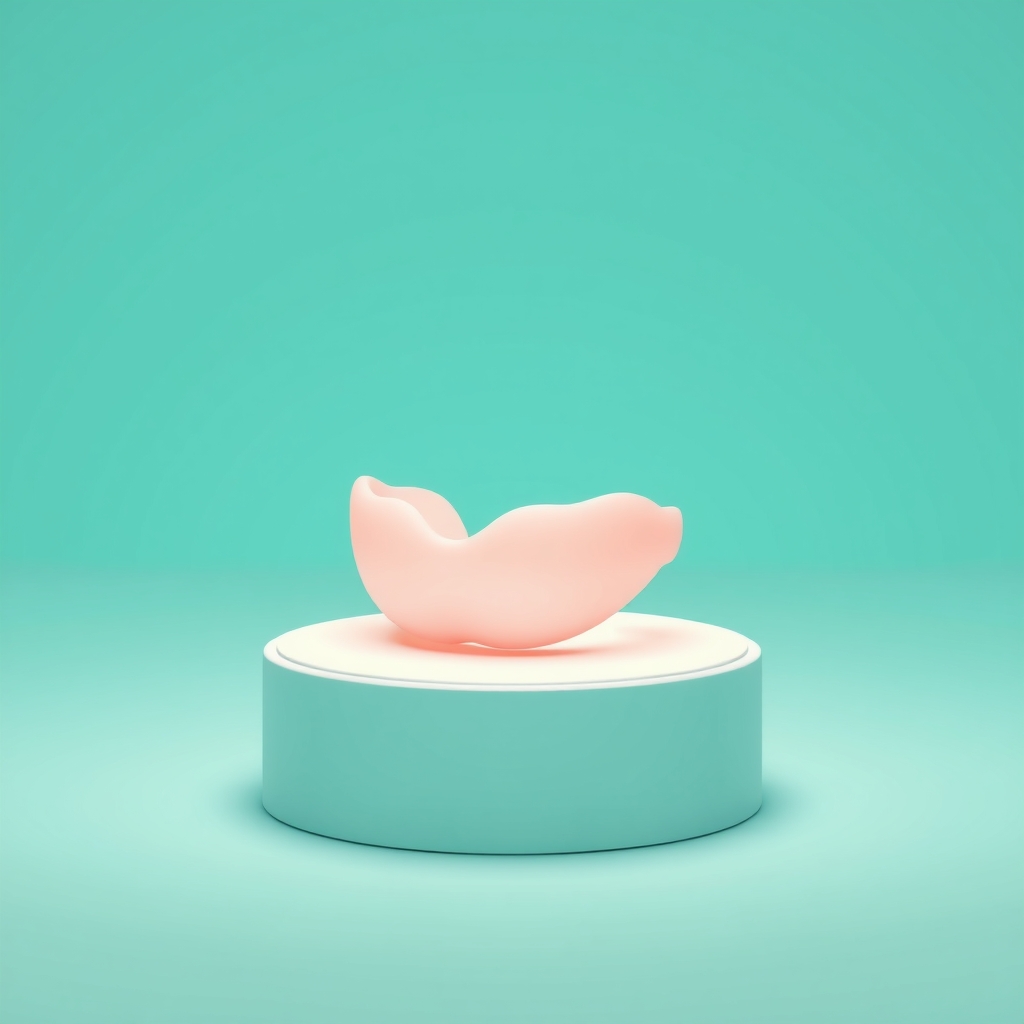
A custom-fitted night guard is one of the most reliable ways to protect teeth from grinding damage during sleep. Unlike over-the-counter options, a guard made specifically for your bite sits comfortably and distributes pressure more evenly, reducing strain on the jaw joint.
Stress Management
Since stress is a leading trigger, simple daily habits can make a real difference:
- Practising relaxation techniques such as deep breathing or short walks
- Reducing caffeine intake later in the day
- Setting a consistent sleep schedule
- Being mindful of jaw clenching during stressful moments and consciously relaxing the jaw
Correcting Bite Issues
If misalignment is contributing to the grinding, your dentist may suggest minor adjustments to how the teeth meet, or discuss orthodontic options depending on the severity.
Addressing Sleep Quality
For grinding linked to disrupted sleep or suspected sleep apnoea, a referral for a sleep evaluation may be recommended alongside dental treatment.
What to Expect at a Dental Visit
During an examination, the dentist will check for visible wear patterns, jaw tenderness, and bite alignment. They may ask about your sleep habits, stress levels, and any medications you take. This helps identify the likely cause rather than just treating the symptoms.
| Treatment | Typical Range (INR) |
|---|---|
| Dental consultation and examination | 500 to 1,000 |
| Custom night guard | 3,000 to 8,000 |
| Bite adjustment (minor) | 1,500 to 4,000 |
These are typical ranges for Sector 57, Gurugram and can vary based on individual assessment. Your dentist will confirm exact costs after examining your teeth and bite.
Living in Sector 57, Gurugram and Noticing These Signs?
Bruxism is manageable once the cause is identified. Whether it is a stress-related habit or something linked to your bite, small changes combined with the right dental support can protect your teeth and ease jaw discomfort over time. If mornings often start with a sore jaw or a dull headache, getting a dental check is a reasonable next step.
Have questions about your teeth?
Dr Aishwarya's Dental Clinic · Sector 57, Gurugram
Frequently asked questions
Is teeth grinding always caused by stress?
Stress is a common trigger, but bruxism can also be linked to bite misalignment, sleep disorders, certain medications, or lifestyle habits like high caffeine or alcohol intake. Often it is a combination of factors.
Can children grind their teeth too?
Yes, childhood bruxism is fairly common, especially during teething or as baby teeth are replaced by permanent ones. Most children outgrow it, but a dentist should still monitor for excessive wear.
Will a night guard stop grinding completely?
A night guard does not stop the grinding habit itself, but it protects your teeth from damage and can reduce jaw strain. Addressing the underlying cause, such as stress or bite issues, helps manage the habit long term.
How do I know if my headaches are related to teeth grinding?
Grinding-related headaches usually appear soon after waking and are felt around the temples. If you also notice jaw soreness or tooth sensitivity, it is worth getting checked by a dentist.
Treatment costs mentioned on this page are indicative ranges for the Sector 57, Gurugram region. Your exact cost depends on your case and will be confirmed after a clinical examination at the clinic.