Sports Mouthguards: How They Protect Teeth and Jaws During Play
Every year, dental clinics see children and adults with chipped, cracked, or knocked-out teeth from sports injuries. Many of these injuries are preventable with a properly fitted mouthguard. If your child plays cricket, football, or any sport in Sector 57, Gurugram, or you are an adult athlete yourself, understanding how mouthguards work can help you avoid a painful and often costly dental emergency.
Why Mouthguards Matter
A mouthguard is a protective device worn over the teeth, usually the upper set, during physical activity. Its main job is to cushion the impact of a blow to the face, reducing the risk of:
- Chipped or fractured teeth
- Knocked-out (avulsed) teeth
- Cuts to the lips, cheeks, and tongue
- Jaw fractures and dislocation
- Injury from teeth clashing together during a hit
Sports with a higher risk of facial contact, such as football, hockey, boxing, cricket, basketball, and martial arts, are the most common reasons parents bring children in for sports-related dental injuries. Even non-contact activities like skating or cycling carry a real risk from falls.
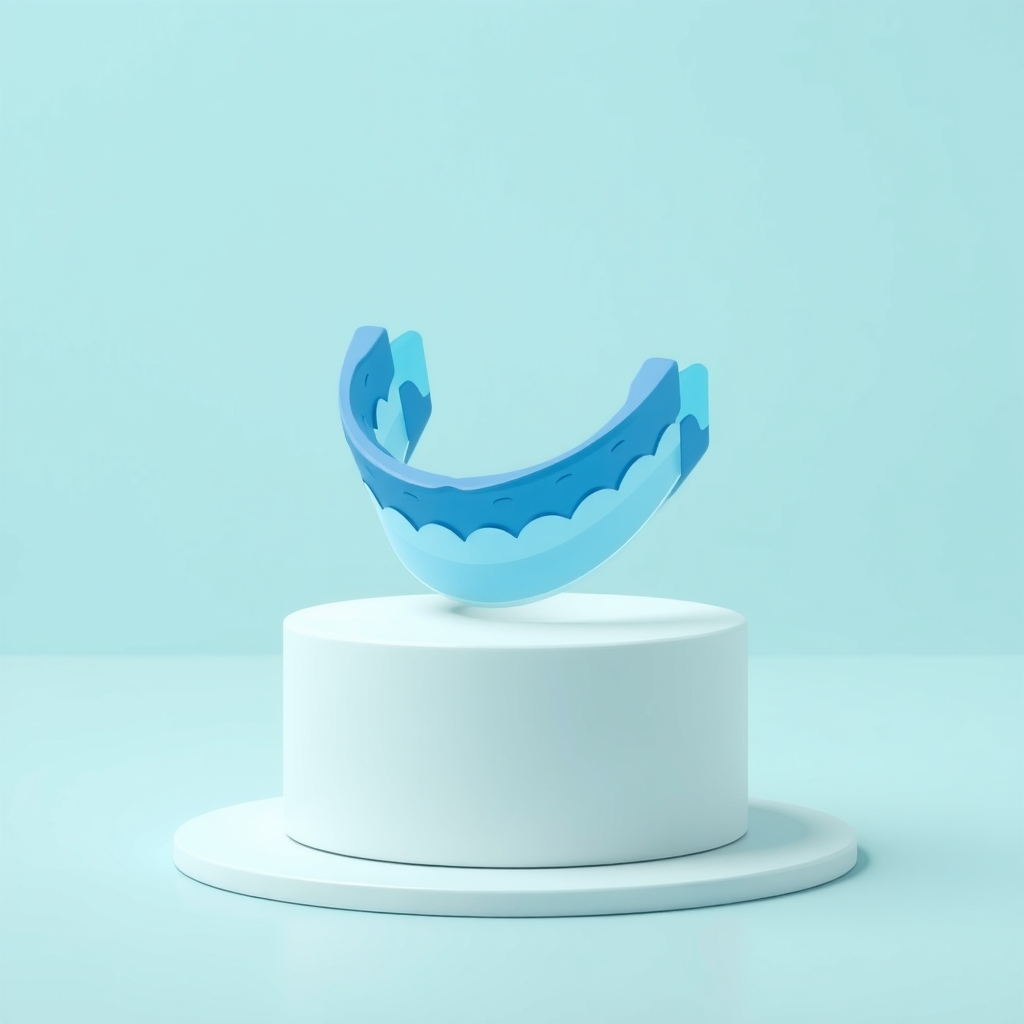
Types of Mouthguards
Stock Mouthguards
These are ready-made and available in generic sizes at sports stores. They are the most affordable option but offer the least accurate fit. Because they cannot be adjusted, they may feel bulky, make breathing and talking difficult, and offer uneven protection.
Boil-and-Bite Mouthguards
These are softened in hot water and then bitten into to create a semi-custom shape. They offer a better fit than stock guards and are widely used by school-level athletes. However, the fit is still limited by how well the material is shaped at home, and it can wear thin over time.
Custom-Fitted Mouthguards
Made by taking an impression of your teeth at the dental clinic, these guards are then fabricated to match your bite precisely. They offer:
- The most accurate and comfortable fit
- Even material thickness for consistent protection at impact points
- Better retention, so it does not slip during play
- Less interference with speaking and breathing
- Longer-lasting material for regular, intense use
Custom guards are generally recommended for athletes who play contact sports regularly, wear braces, or have had previous dental injuries.
Comparing the Options
| Type | Fit | Protection Level | Typical Range (INR) |
|---|---|---|---|
| Stock | Loose, generic | Basic | 150 to 500 |
| Boil-and-bite | Semi-custom | Moderate | 300 to 1,000 |
| Custom-fitted (dental clinic) | Precise | High | 2,500 to 8,000 |
These are typical ranges only. Actual costs depend on the material used, thickness, and whether the guard needs to accommodate braces or missing teeth. Your dentist can give you an accurate estimate after an examination.
Choosing the Right Mouthguard
When deciding which type suits your needs, consider the following:
- Sport type: High-contact sports call for more robust, well-fitted protection.
- Age and growth: Growing children may need mouthguards replaced more often as their teeth and jaws develop.
- Orthodontic treatment: Patients with braces need mouthguards designed specifically to fit over brackets.
- Comfort and compliance: A mouthguard only works if it is actually worn. Comfort greatly affects whether an athlete keeps it in during play.
- Frequency of use: Athletes who train and compete often may benefit from the durability of a custom guard.
Caring for a Mouthguard
To keep any mouthguard effective and hygienic:
- Rinse with cool water or mouthwash after every use
- Store in a ventilated, protective case
- Avoid leaving it in direct sunlight or hot cars, as heat can distort the shape
- Check regularly for tears, thinning, or loosening of fit
- Bring it to dental check-ups so your dentist can assess wear and fit
A mouthguard is a small investment compared to the cost, discomfort, and time involved in treating a dental injury. If you or your child are active in sports and want guidance on the right type of protection, a dental visit can help determine the best option based on individual needs.
Have questions about your teeth?
Dr Aishwarya's Dental Clinic · Sector 57, Gurugram
Frequently asked questions
Do I need a mouthguard for non-contact sports too?
Yes, if there is any chance of falls or accidental collisions, such as in cycling, skateboarding, or gymnastics. Many dental injuries happen in sports not typically thought of as contact sports.
Can a mouthguard be worn with braces?
Yes, special mouthguards are made for patients with braces. These allow for some tooth movement during treatment and protect both the teeth and the brackets. Regular boil-and-bite guards are not ideal for this.
How long does a custom mouthguard last?
With proper care, a custom mouthguard typically lasts one sports season to a couple of years, depending on wear and growth changes, especially in growing children who may need refits.
Can a mouthguard prevent a concussion?
Mouthguards are designed primarily to protect teeth, lips, and jaws. Some studies suggest they may help absorb impact, but they should not be relied upon as concussion prevention. Proper headgear and safe play remain essential.
Treatment costs mentioned on this page are indicative ranges for the Sector 57, Gurugram region. Your exact cost depends on your case and will be confirmed after a clinical examination at the clinic.