Why Toothaches Often Feel Worse at Night (And How to Get Relief)
If your tooth pain seems to switch on the moment you go to bed, you are not imagining it. Many patients in Sector 57, Gurugram tell us their toothache was mild during the day but became sharp and throbbing by midnight. There are real physical reasons behind this, and understanding them can help you manage the pain until you reach a dentist.
Why Toothaches Get Worse at Night
A few simple factors combine to make nighttime pain feel stronger, even though the underlying problem has not necessarily changed.
Blood Flow and Body Position
When you lie down flat, more blood flows to your head and jaw area. If a tooth is already inflamed or infected, this increased blood flow raises pressure inside the tooth and surrounding tissue, which can make the pain throb more noticeably.
Fewer Distractions
During the day, work, conversations, and activity keep your mind occupied. At night, with the house quiet and nothing to focus on, your brain has more attention to give to pain signals. This does not mean the pain is fake or exaggerated, it simply becomes easier to notice.
Jaw Clenching and Grinding
Some people unknowingly clench or grind their teeth while sleeping. This extra pressure on a tooth that already has a cavity, crack, or old filling can trigger or worsen pain during the night.
Lower Cortisol Levels
Cortisol is a natural hormone that has some anti-inflammatory effect in the body. Levels of cortisol are typically lower at night, which means inflammation in and around a problem tooth may feel more intense compared to during the day when cortisol levels are higher.
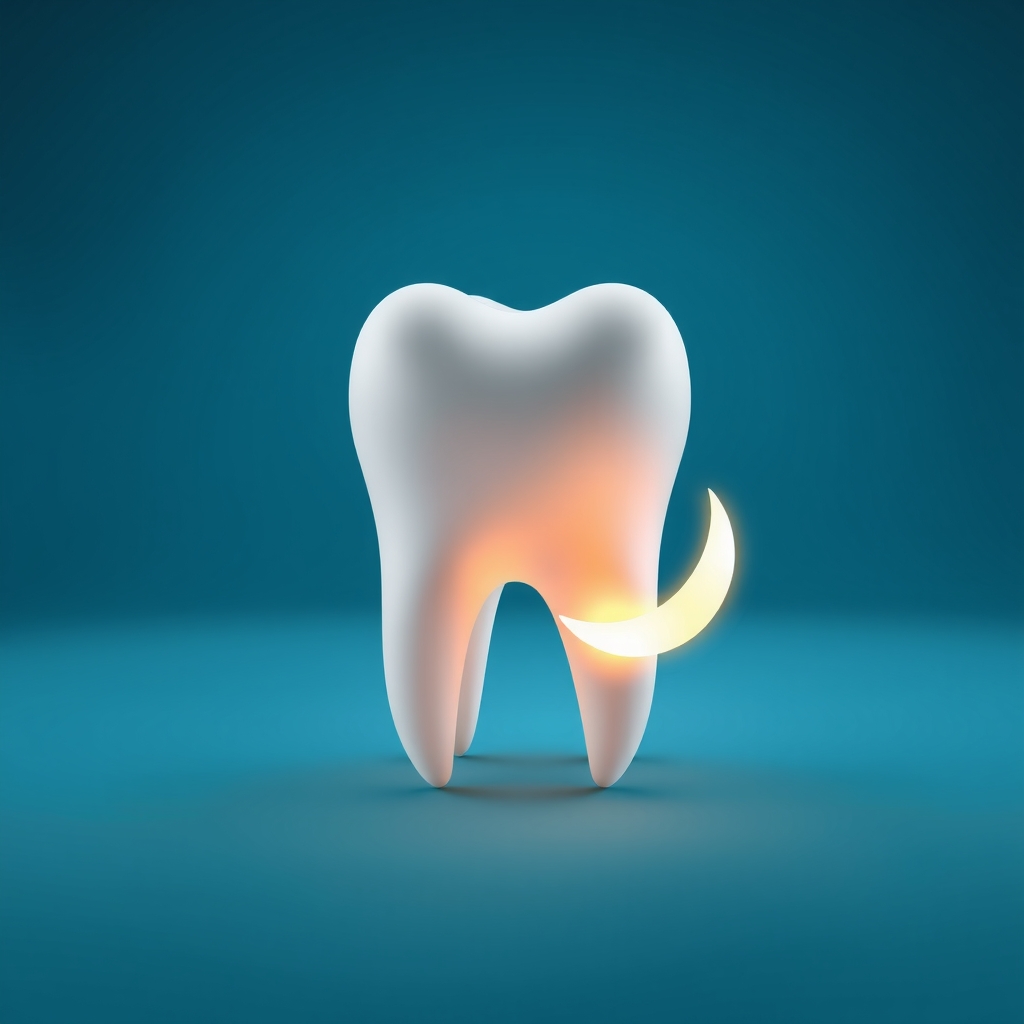
What a Nighttime Toothache Might Mean
Toothaches that worsen at night are often linked to one of the following:
- Tooth decay that has reached the inner nerve (pulp)
- A cracked or fractured tooth
- An old filling that has loosened or failed
- Gum infection or an abscess near the tooth root
- Sinus pressure affecting the upper back teeth
Only a dental examination and, if needed, an X-ray can confirm the exact cause. Home care should be seen as temporary relief, not a substitute for treatment.
Practical Relief Steps Until You See a Dentist
These steps can help reduce discomfort for a night or two while you arrange a dental appointment.
1. Prop Yourself Up Slightly
Use an extra pillow to keep your head elevated while sleeping. This reduces blood flow pressure to the jaw and can lessen throbbing.
2. Rinse With Warm Salt Water
Mix half a teaspoon of salt in a glass of warm water and rinse gently. This can help reduce bacteria and mild swelling around the tooth and gums.
3. Use a Cold Compress
Hold a cold pack wrapped in a cloth against your cheek near the painful tooth for 15 to 20 minutes. This can help numb the area and reduce swelling.
4. Avoid Trigger Foods and Drinks
Skip anything very hot, cold, sweet, or hard before bed, as these can set off sharp pain in a sensitive or damaged tooth.
5. Take an Over-the-Counter Pain Reliever
Paracetamol or ibuprofen, taken as per the package instructions, can help manage pain for a night. Avoid placing aspirin directly on the gum, as this does not relieve pain and can irritate tissue.
6. Do Not Apply Direct Heat
Heat can sometimes increase blood flow to the area and make throbbing worse. Stick to cold compresses instead.
When to Seek Urgent Care
Call a dentist promptly, or seek emergency care, if you notice any of the following along with the toothache:
- Facial swelling, especially if it spreads toward the eye or neck
- Fever or feeling generally unwell
- Difficulty swallowing or opening your mouth
- Pain that is severe and does not respond to any home measures
These signs can point to a spreading infection that needs prompt attention rather than a routine appointment.
Getting to the Root of the Problem
Home remedies buy you time, but they do not fix the underlying issue. A toothache that repeatedly worsens at night is your body's way of signalling that something needs proper evaluation, whether it is a cavity, cracked tooth, or gum infection. If you are in Sector 57, Gurugram and dealing with a persistent or recurring toothache, it is worth getting it checked before the problem progresses further.
Have questions about your teeth?
Dr Aishwarya's Dental Clinic · Sector 57, Gurugram
Frequently asked questions
Is it normal for a toothache to only hurt at night?
Yes, this is common. The pain is usually there during the day too, but lying down and having fewer distractions makes it more noticeable at night. It still needs a dental check-up.
Can I take painkillers for a toothache before seeing a dentist?
Over-the-counter pain relievers like paracetamol or ibuprofen can help in the short term if you have no medical reason to avoid them. Follow the package instructions and see a dentist as soon as possible, since medicine only masks the problem.
Should I go to an emergency room for a nighttime toothache?
If you have facial swelling, fever, difficulty swallowing or breathing, go to an emergency room right away. For pain without these signs, home relief steps until morning are usually fine, followed by a dental visit.
Why does lying flat make tooth pain worse?
Lying down increases blood flow and pressure in the head and jaw area, which can push against an already inflamed or infected tooth and increase the throbbing sensation.
Treatment costs mentioned on this page are indicative ranges for the Sector 57, Gurugram region. Your exact cost depends on your case and will be confirmed after a clinical examination at the clinic.