Enamel Erosion: Why It Happens and How to Protect Your Teeth
If your teeth look a little more yellow than they used to, feel rough at the edges, or react sharply to cold water, you may be noticing the early effects of enamel erosion. This is a slow, often painless process, which is exactly why it tends to go unnoticed until the damage is significant. Understanding the causes can help you catch it early and stop it from progressing.
What Is Enamel Erosion?
Enamel is the hard, protective outer layer of your teeth. Unlike bone, it does not repair or regenerate itself once it is worn away. Enamel erosion happens when acids, from food, drinks, or your own stomach, soften and gradually dissolve this layer over time. As enamel thins, the yellowish dentin underneath becomes more visible, and teeth can become more sensitive and prone to chipping.
Common Causes of Enamel Erosion
Acidic Foods and Drinks
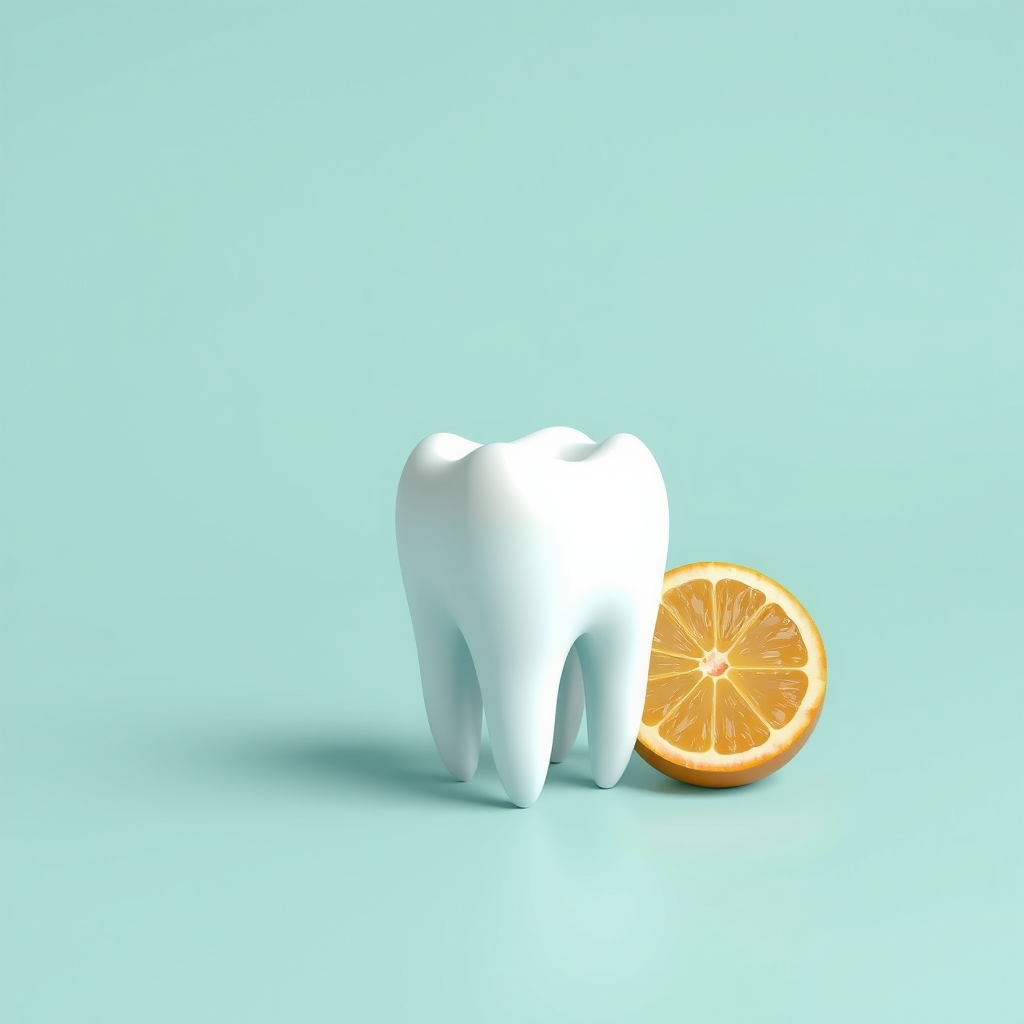
- Citrus fruits and juices (lemon, orange, tomato)
- Carbonated soft drinks, including diet versions
- Sports and energy drinks
- Wine and vinegar-based dressings or pickles
Acid Reflux and Vomiting
Gastroesophageal reflux disease (GERD), frequent vomiting, or conditions like bulimia expose teeth to stomach acid, which is far more corrosive than most dietary acids. This type of erosion often affects the back of the upper front teeth first, since that is where reflux acid tends to pool.
Dry Mouth
Saliva naturally neutralises acid and helps redeposit minerals into enamel. Reduced saliva flow, from dehydration, certain medications, mouth breathing, or medical conditions, means acids linger longer on the teeth and do more damage.
Habits That Speed Up Erosion
- Sipping acidic or sugary drinks slowly over long periods
- Brushing immediately after consuming something acidic
- Brushing too hard or using a stiff-bristled brush
- Teeth grinding (bruxism), which wears down enamel mechanically
Early Signs to Watch For
| Sign | What It May Mean |
|---|---|
| Increased sensitivity to hot, cold, or sweet | Enamel thinning is exposing the dentin layer |
| Yellowish tint, especially on biting edges | Dentin showing through worn enamel |
| Rough or uneven edges on front teeth | Physical wear or chemical erosion of enamel |
| Small dents (cupping) on chewing surfaces | Localised acid or wear damage |
| Teeth appear more translucent at the tips | Enamel loss near the biting edge |
Practical Steps to Prevent Further Damage
Adjust How You Eat and Drink
- Use a straw for acidic or fizzy drinks to reduce contact with teeth
- Drink water after acidic meals or drinks to help rinse acid away
- Avoid sipping acidic drinks slowly over an hour or more
- Pair acidic foods with meals rather than eating them alone
Change Your Brushing Habits
- Wait at least 30 to 60 minutes after eating or drinking something acidic before brushing
- Use a soft-bristled brush with gentle, circular motions
- Choose a fluoride toothpaste to help strengthen remaining enamel
Manage Underlying Causes
- If you have frequent heartburn or reflux symptoms, speak with your doctor
- Stay well hydrated to support healthy saliva flow
- If you grind your teeth, ask about a night guard to reduce mechanical wear
When to See a Dentist
If you notice sensitivity that is not going away, visible yellowing, or teeth that feel rough or uneven, it is worth getting checked before the erosion progresses further. At Dr Aishwarya's Dental Clinic in Sector 57, Gurugram, we assess the extent of enamel wear, identify likely causes, and recommend suitable steps, which may include fluoride treatments, dietary guidance, or restorative options depending on how much enamel has been affected. Catching erosion early gives us far more ways to help protect your teeth long term.
Have questions about your teeth?
Dr Aishwarya's Dental Clinic · Sector 57, Gurugram
Frequently asked questions
Can eroded enamel grow back?
No, enamel does not regenerate once it is lost. However, early erosion can often be strengthened with fluoride treatments and remineralising products, which helps prevent further damage from getting worse.
Is enamel erosion the same as tooth decay?
No. Decay is caused by bacteria producing acid that eats into the tooth, often creating a cavity in one spot. Erosion is a more general, gradual wearing away of enamel from acid exposure across the tooth surface, without bacterial involvement.
How do I know if my erosion is from acid reflux?
Reflux-related erosion typically affects the inner (tongue-side) surfaces of the upper front teeth and back teeth, since stomach acid reaches these areas most. If you also have heartburn, a sour taste, or throat irritation, mention this to both your dentist and doctor.
Will fixing my diet reverse yellowing teeth?
Dietary changes can stop further erosion, but yellowing that has already happened, often due to the darker dentin layer showing through thinned enamel, usually needs a dental evaluation to address, rather than reversing on its own.
Treatment costs mentioned on this page are indicative ranges for the Sector 57, Gurugram region. Your exact cost depends on your case and will be confirmed after a clinical examination at the clinic.