Knocked-Out Tooth First Aid: What to Do Before You Reach the Dentist
A knocked-out (avulsed) tooth is one of the few dental emergencies where every minute matters. Acting quickly and correctly in the first 30 to 60 minutes can make the difference between saving the natural tooth and losing it permanently. This guide walks you through exactly what to do, step by step, until you can reach a dentist.
First, Stay Calm and Act Fast
It is natural to panic, especially if the injury involves a child. But the tooth's root surface has living cells that start to die once it dries out or is handled roughly. Speed and gentle handling matter more than anything else right now.
Step-by-Step First Aid
- Find the tooth. Pick it up carefully by the crown (the white chewing part), never by the root. The root is covered in delicate fibres needed for reattachment.
- Check if it is dirty. If there is visible dirt or debris, rinse it briefly under cold milk or saline for about 10 seconds. Do not scrub, use soap, or dry it with a tissue.
- Try to reinsert it. If you feel confident, gently push the tooth back into its socket facing the right way and have the person bite down softly on a clean cloth or gauze to hold it in place. This is often the best option because it keeps the root cells alive and moist.
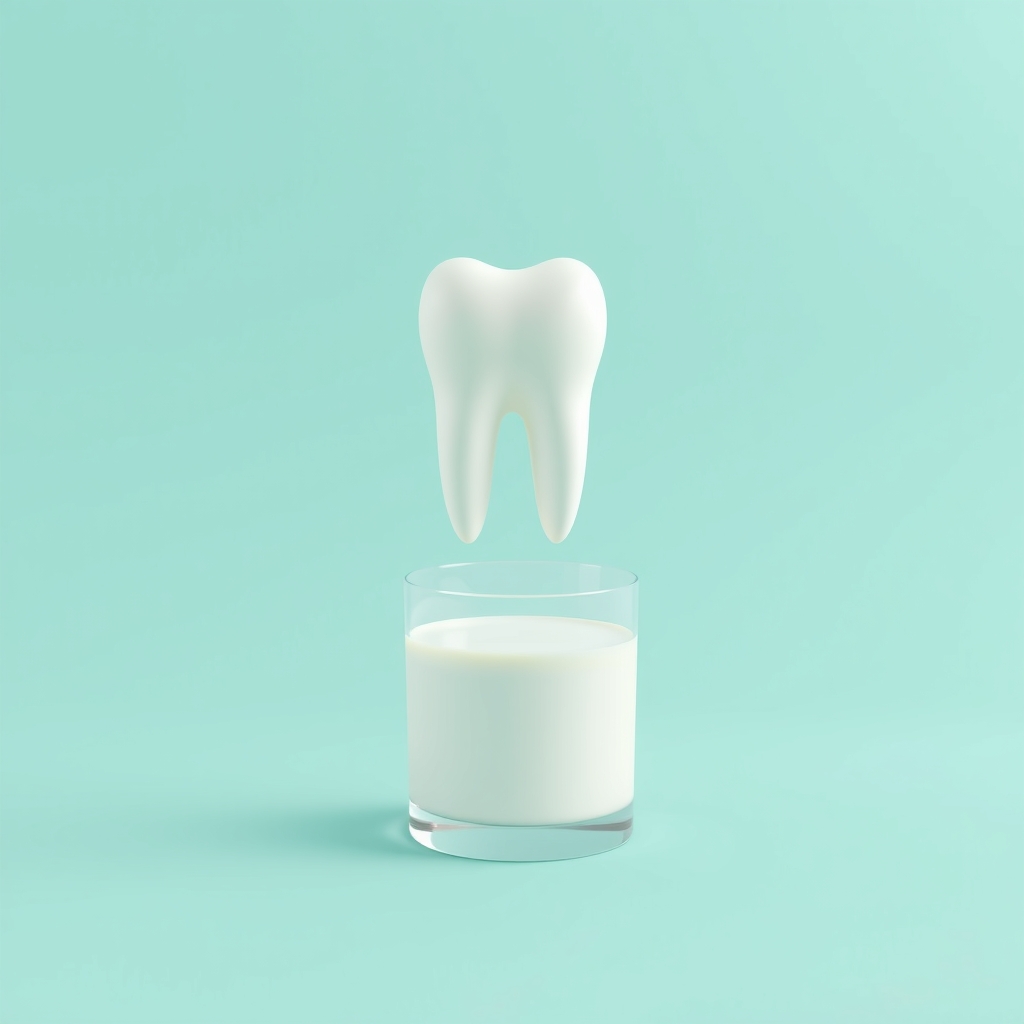
- If reinsertion is not possible, place the tooth in a container of cold milk. Milk has the right pH and nutrients to keep root cells alive for a while. Saline or a tooth preservation kit also works.
- Avoid water as a storage liquid. Tap water damages the delicate cells on the root surface within minutes.
- Control any bleeding. Have the person bite gently on a clean piece of gauze or cloth over the socket.
- Head to the clinic immediately. Call ahead so the team is ready when you arrive. Bring the tooth with you in its milk or saline container, or leave it reinserted in the socket if that was successful.
What Not to Do
- Do not touch or scrub the root of the tooth.
- Do not wrap the tooth in a tissue, paper towel, or cloth without liquid.
- Do not let the tooth dry out even for a few minutes.
- Do not delay travel to try home remedies or wait to see if pain settles.
Why Timing Matters So Much
The tooth's root is covered by a thin layer of cells called the periodontal ligament. These cells allow the tooth to reattach to the bone once replanted. The longer the tooth stays out of the mouth and dry, the fewer of these cells survive. This is why dentists always emphasise reaching care within the first hour whenever possible.
| Time Since Injury | General Chance of Saving the Tooth |
|---|---|
| Reinserted within a few minutes | Highest chance of success |
| Within 30 to 60 minutes, stored properly | Good chance, treatment still very worthwhile |
| More than 60 minutes, dry storage | Lower chance, but a dentist may still attempt treatment |
What Happens at the Dental Clinic
Once you reach Dr Aishwarya's Dental Clinic, the dentist will examine the socket, clean the area gently, and reposition the tooth if it was not already reinserted. It is usually splinted to neighbouring teeth to hold it steady while it reattaches over the following weeks. A root canal treatment is often needed a short while later, since the nerve inside the tooth does not usually survive even when the root reattaches successfully. X-rays and a tetanus check may also be recommended depending on how the injury happened.
Cost Considerations
Emergency management, splinting, and any follow-up root canal treatment for an avulsed tooth typically range from around ₹3,000 to ₹15,000 in Sector 57, Gurugram, depending on the extent of treatment needed and whether a crown is required later. Your dentist will confirm exact costs after examining the tooth and socket.
For Patients Near Sector 57, Gurugram
If a tooth gets knocked out during sport, a fall, or an accident, do not wait. Call Dr Aishwarya's Dental Clinic at 080 4736 3593 right away so the team can guide you on the phone while you are on your way in. Quick action genuinely improves the odds of keeping your natural tooth.
Have questions about your teeth?
Dr Aishwarya's Dental Clinic · Sector 57, Gurugram
Frequently asked questions
How long can a knocked-out tooth survive outside the mouth?
A tooth has the best chance of being saved if it is replanted or brought to the dentist within 30 to 60 minutes. Chances drop sharply after an hour, though it is still worth trying even if more time has passed.
Can I save a baby tooth that has been knocked out?
No, baby (milk) teeth are usually not replanted because doing so can damage the developing permanent tooth underneath. Still visit a dentist promptly to check the child's mouth and jaw for other injuries.
What liquid is best for storing the tooth?
Cold milk is the most practical choice for most homes. Special tooth preservation solutions from a pharmacy also work well. Avoid water, as it damages the root surface cells.
Should I try to clean the tooth before storing it?
Only rinse it gently with milk or saline if it is visibly dirty, holding it by the crown. Do not scrub it, use soap, or wrap it in a tissue or cloth, as this can remove cells needed for reattachment.
Treatment costs mentioned on this page are indicative ranges for the Sector 57, Gurugram region. Your exact cost depends on your case and will be confirmed after a clinical examination at the clinic.