Electric vs Manual Toothbrush: Which One Should You Choose?
Many patients at our Sector 57, Gurugram clinic ask us the same question during checkups: is an electric toothbrush actually worth it, or does a manual one do the job just fine? The honest answer is that both can keep your mouth healthy, but they suit different people and habits. Here is a clear, factual comparison to help you decide.
Cleaning Effectiveness
Studies and clinical experience show that electric toothbrushes, particularly oscillating-rotating or sonic types, tend to remove plaque slightly more effectively than manual brushes over time. This is partly due to the brushing motion itself and partly because electric brushes often come with built-in timers that encourage people to brush for the full two minutes, which many manual brush users skip.
That said, a manual toothbrush used with correct technique, gentle circular motions, covering all tooth surfaces, and brushing for two full minutes, can be just as effective at controlling plaque and preventing gum disease. Technique and consistency matter more than the tool itself.
Ease of Use
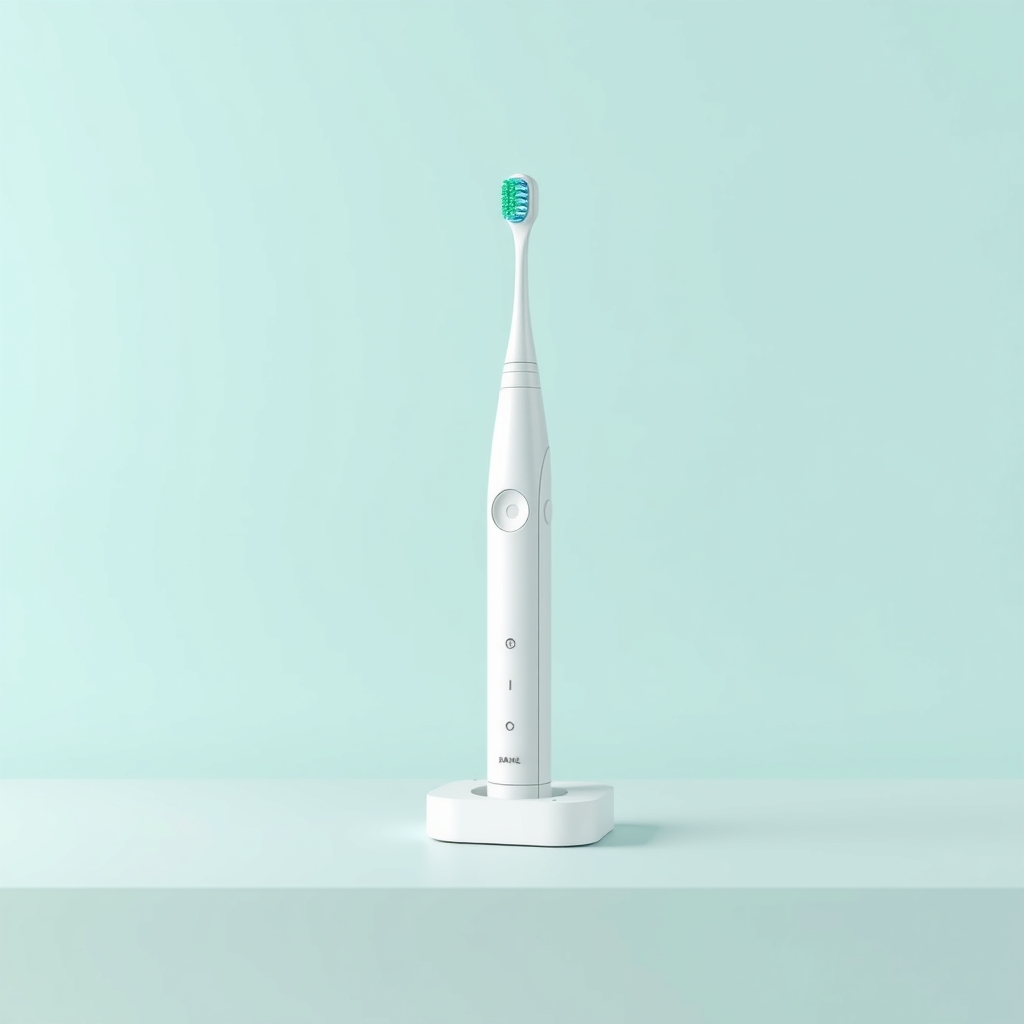
Electric toothbrushes generally require less manual effort since the brush head does most of the work. This makes them helpful for:
- People with arthritis or limited hand mobility
- Children or teenagers who rush through brushing
- Patients with braces or dental implants who need thorough, gentle cleaning
- Anyone who tends to brush too hard, since many models have pressure sensors
Manual toothbrushes, on the other hand, are simple, require no charging, and give you full control over pressure and angle, which some patients prefer.
Battery and Maintenance
Electric toothbrushes need regular charging or battery replacement, and brush heads still need to be replaced every three months, same as manual brushes. If you travel often or have unreliable access to charging points, this is worth considering.
Cost Comparison
Cost is often the deciding factor for many families in Sector 57, Gurugram. Here is a general idea of what to expect, though actual prices vary by brand and features.
| Type | Typical Range (Upfront) | Ongoing Cost |
|---|---|---|
| Manual toothbrush | Typical range: Rs 30 to Rs 150 | Replace every 3 months, low cost |
| Basic electric toothbrush | Typical range: Rs 800 to Rs 2,500 | Brush heads and occasional battery cost |
| Advanced electric toothbrush | Typical range: Rs 3,000 to Rs 10,000+ | Higher-cost replacement heads |
These are typical ranges only and actual prices depend on the brand, model, and where you purchase it. We do not sell or promote specific brands, but we are happy to guide you on features worth prioritising during your visit.
Which Is Right for Your Dental Needs
Your choice should depend on your specific oral health situation and habits, not just preference.
Electric Toothbrushes May Suit You If:
- You have gum disease or gingivitis and need more consistent plaque control
- You have braces, aligners, or dental implants
- You struggle to brush for the recommended two minutes
- You have limited dexterity due to age or a medical condition
Manual Toothbrushes May Suit You If:
- You already have good brushing technique and discipline
- You prefer a simple, low-maintenance option
- You travel frequently without reliable charging access
- Budget is a primary concern
What Matters More Than the Brush
Regardless of which type you choose, a few things matter more for your dental health:
- Using a soft-bristled brush to protect enamel and gums
- Brushing twice daily for two minutes each time
- Not applying excessive pressure while brushing
- Replacing the brush or brush head every three months
- Flossing daily alongside brushing
No brush can substitute for regular dental checkups. At Dr Aishwarya's Dental Clinic in Sector 57, Gurugram, we assess your gum health, brushing technique, and specific needs during routine visits, and can recommend whether an upgrade to an electric brush would genuinely benefit you.
Have questions about your teeth?
Dr Aishwarya's Dental Clinic · Sector 57, Gurugram
Frequently asked questions
Is an electric toothbrush really better than a manual one?
For most people, electric toothbrushes remove slightly more plaque, mainly because they make it easier to brush thoroughly and for the full two minutes. A manual toothbrush used correctly can still keep your teeth and gums healthy.
Can children use electric toothbrushes?
Yes, there are child-sized electric toothbrushes with gentle settings. They can make brushing more fun for kids, but adult supervision is still needed to ensure proper technique.
Do electric toothbrushes damage enamel or gums?
Not when used correctly. Most models have pressure sensors that stop or alert you if you press too hard. Using a soft-bristled head and gentle technique protects both enamel and gums.
How often should I replace my toothbrush or brush head?
Replace a manual toothbrush or electric brush head every 3 months, or sooner if the bristles look frayed. This applies regardless of which type you use.
Treatment costs mentioned on this page are indicative ranges for the Sector 57, Gurugram region. Your exact cost depends on your case and will be confirmed after a clinical examination at the clinic.