Complete and Partial Dentures: How They Compare to Implants and Bridges
Missing teeth affect more than your smile. They can change how you chew, speak, and feel about yourself. If you are exploring options to replace missing teeth, you have likely come across dentures, bridges, and implants. Each works differently, and understanding the basics can help you have a more informed conversation with your dentist in Sector 57, Gurugram.
What Are Dentures?
Dentures are removable appliances that replace missing teeth. There are two main types.
- Complete dentures replace all the teeth in an upper or lower jaw. They rest on the gums and are held in place by suction and, sometimes, a mild adhesive.
- Partial dentures fill in gaps when some natural teeth remain. They usually clip onto nearby teeth using small metal or tooth-coloured clasps.
Both are custom-made from impressions of your mouth, so fit and appearance vary from person to person.
How Dentures Differ From Bridges and Implants
All three options replace missing teeth, but the approach is quite different.
Dentures
Removable, cover the gums, and can replace several or all teeth at once. Lower cost to start, but they may need periodic relining as the jawbone changes shape over time.
Bridges
Fixed in place using adjacent teeth as support (or, in some cases, implants). A bridge does not come out for cleaning and generally feels more like natural teeth. It works best for one or a few missing teeth in a row, not for an entire arch.
Implants
A titanium post is placed into the jawbone to act as an artificial tooth root, topped with a crown, bridge, or even a full denture. Implants do not rely on neighbouring teeth for support and tend to preserve jawbone better over the years. They usually involve a longer treatment timeline and a higher upfront cost.
| Option | Removable? | Best for | Typical range (Sector 57, Gurugram) |
|---|---|---|---|
| Complete denture | Yes | All teeth missing in one jaw | ₹8,000 to ₹35,000 per jaw |
| Partial denture | Yes | A few missing teeth with healthy teeth remaining | ₹6,000 to ₹25,000 |
| Fixed bridge | No | One to three missing teeth in a row | ₹15,000 to ₹40,000 per unit |
| Implant with crown | No | Single or multiple missing teeth, adequate bone | ₹30,000 to ₹55,000 per tooth |
These are only typical ranges and actual costs depend on materials, the number of teeth involved, and your specific oral health. Your dentist will give you a clearer estimate after an examination.
Getting Used to Dentures: What to Expect
New dentures take some getting used to, and this is completely normal.
- Weeks 1 to 2: Mild soreness, increased saliva, and some difficulty pronouncing certain words are common. Eating soft foods cut into small pieces helps during this period.
- Weeks 2 to 6: Chewing becomes more comfortable, and speech usually returns closer to normal. Sore spots may still need minor adjustments.
- Beyond 6 weeks: Most people adapt fully. If a denture still feels loose, rubs, or clicks while talking, book a follow-up so it can be adjusted rather than living with discomfort.
Caring for Your Dentures
Good daily care keeps dentures comfortable and extends their life.
- Rinse dentures after every meal to remove food particles.
- Brush them daily with a soft brush and a denture-specific cleaner, not regular toothpaste, which can be too abrasive.
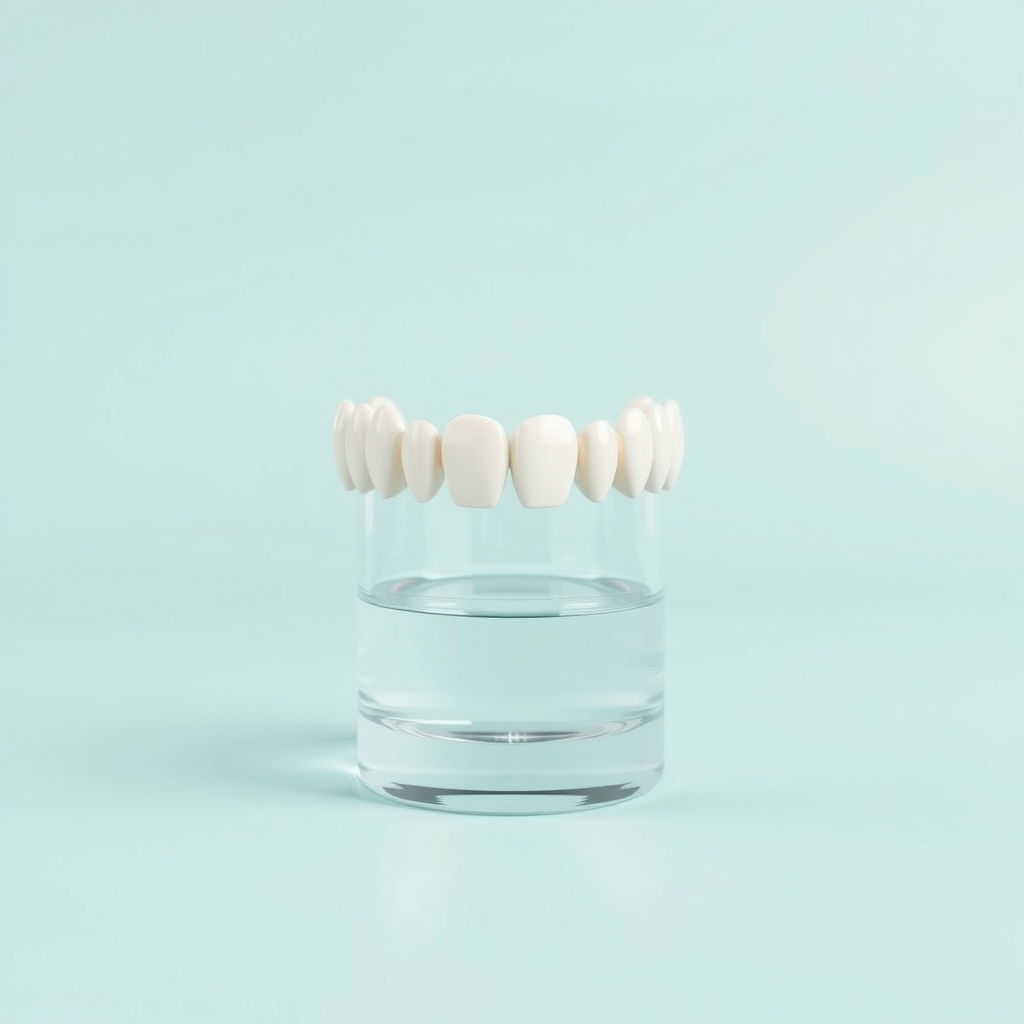
- Soak them overnight in water or a recommended soaking solution so they do not dry out and warp.
- Clean your gums, tongue, and any remaining natural teeth gently every day.
- Visit your dentist for regular check-ups, since gum and bone shape can change over time and affect how the denture fits.
Which Option Should You Choose?
The right choice depends on how many teeth are missing, the health of your gums and jawbone, your budget, and your daily habits. Some patients start with a denture and move to implants later, while others go straight for a fixed solution. A thorough oral examination, including an X-ray, is the best way to understand what is realistic for your mouth.
If you are weighing your options for missing teeth in Sector 57, Gurugram, a consultation can help you compare fit, care needs, and typical ranges before you decide.
Have questions about your teeth?
Dr Aishwarya's Dental Clinic · Sector 57, Gurugram
Frequently asked questions
How long does it take to get used to new dentures?
Most patients need two to eight weeks to adjust. Speaking and eating feel awkward at first, and mild soreness is common as the tissues adapt. If discomfort continues beyond a few weeks, the denture likely needs an adjustment visit.
Can I sleep with my dentures in?
It is best to remove dentures at night. This rests the gums, improves blood circulation in the mouth, and reduces the risk of fungal infections. Soak them in water or a denture-cleaning solution while you sleep.
Are dentures cheaper than implants?
Generally yes. Dentures typically cost less upfront than implants, but they may need relining or replacement every few years, while implants are a longer-term investment. Your dentist can outline a typical range for your specific case.
Can I switch from dentures to implants later?
In many cases, yes. If you have adequate jawbone and healthy gums, implants can often be placed later, sometimes even to help stabilise an existing denture. An evaluation will confirm if you're a suitable candidate.
Treatment costs mentioned on this page are indicative ranges for the Sector 57, Gurugram region. Your exact cost depends on your case and will be confirmed after a clinical examination at the clinic.