Dental Crown Guide: When You Need One, Material Options and Costs
If your dentist has mentioned that you might need a dental crown, you are probably wondering why, and what it will cost. This guide explains when crowns are recommended, the material options available, and typical price ranges for patients visiting our clinic in Sector 57, Gurugram.
What Is a Dental Crown?
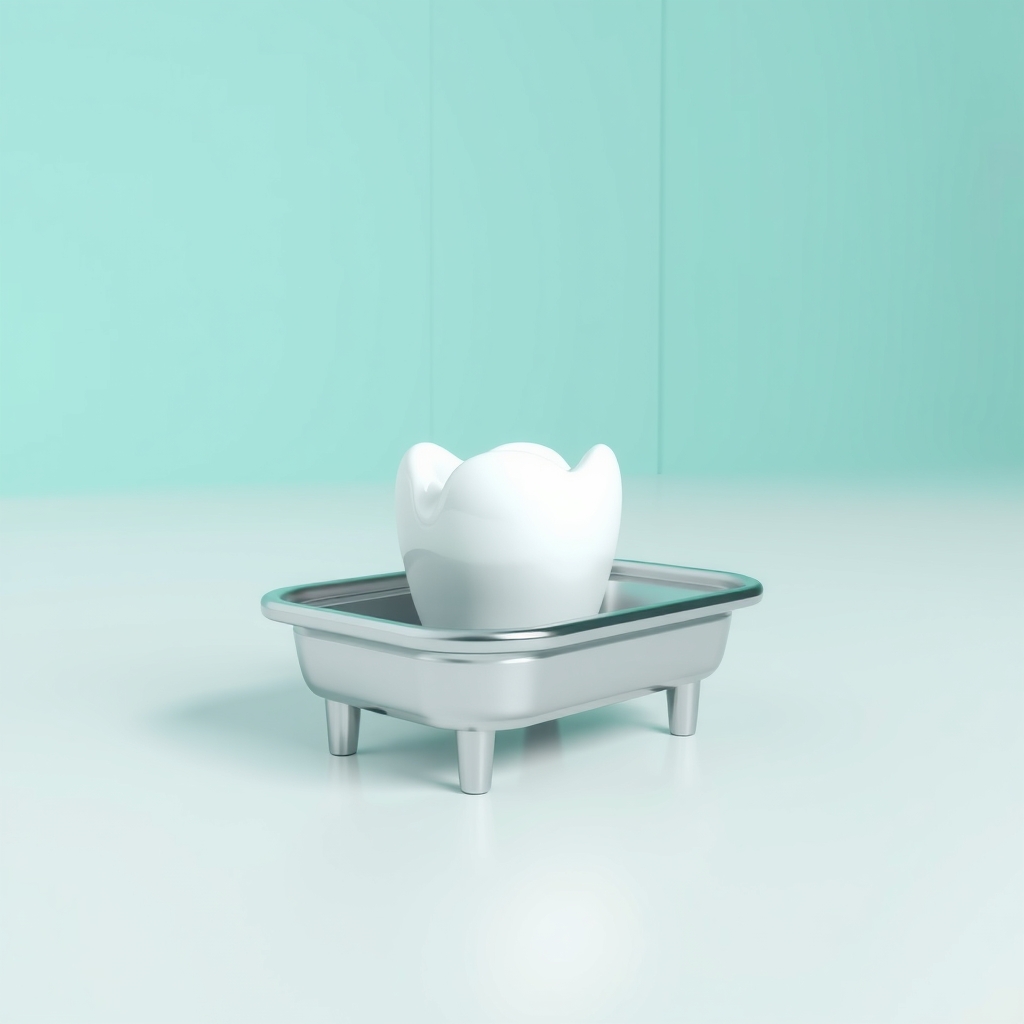
A dental crown is a cap that covers a damaged or weakened tooth completely, restoring its shape, strength and appearance. Unlike a filling, which repairs a small part of a tooth, a crown covers the entire visible portion above the gum line.
When Is a Crown Needed?
Crowns are not needed for every cavity or chip. Your dentist will usually recommend one in these situations:
- A tooth has a large filling that no longer has enough natural structure to support it
- A tooth is cracked, fractured or worn down significantly
- After root canal treatment, especially for back teeth that take heavy chewing pressure
- To support a dental bridge or cover a dental implant
- To restore a severely discoloured or misshapen tooth for cosmetic reasons
- To protect a weak tooth from further breakdown
If you are unsure whether your tooth truly needs a crown or a simpler filling would work, it is worth getting an in-person opinion rather than deciding based on cost alone.
Types of Crown Materials
Choosing a crown material depends on the tooth's location, your budget, and how much strength or aesthetics matter for that particular tooth.
Metal Crowns
Made from alloys such as nickel-chromium or cobalt-chromium, metal crowns are known for their strength and durability. They require less removal of healthy tooth structure and rarely chip. Their main drawback is appearance, since the silver colour is noticeable, so they are usually placed on back molars rather than front teeth.
Ceramic Crowns (Porcelain-Fused-to-Metal or All-Ceramic)
Ceramic crowns closely match the colour of natural teeth, making them a popular choice for visible front teeth. Porcelain-fused-to-metal crowns combine a metal base with a ceramic outer layer for added strength, while all-ceramic versions offer the most natural look. They are slightly less impact-resistant than metal or zirconia.
Zirconia Crowns
Zirconia is a strong, tooth-coloured material that has become widely used for both front and back teeth. It combines good aesthetics with high strength, making it a versatile option for patients who want durability without a metallic appearance. Zirconia crowns are a common recommendation for molars that need both strength and a natural look.
Typical Cost Range in Sector 57, Gurugram
Crown costs vary based on material, lab work involved, and the complexity of your case. The following are typical ranges seen at clinics in Sector 57, Gurugram, meant only as a general guide and not a fixed quote.
| Crown Material | Typical Range (per tooth) |
|---|---|
| Metal (nickel/cobalt-chromium) | Rs 3,500 to Rs 6,000 |
| Porcelain-fused-to-metal (PFM) | Rs 5,000 to Rs 9,000 |
| All-ceramic | Rs 8,000 to Rs 15,000 |
| Zirconia | Rs 9,000 to Rs 18,000 |
These figures are indicative only. Your final cost depends on the exact tooth being treated, whether a root canal or additional preparation is needed, and the crown brand used. A clear estimate can only be given after an in-person examination and X-ray review.
How to Decide Which Crown Is Right for You
There is no single "best" material for everyone. Consider these points when discussing options with your dentist:
- Location of the tooth: front teeth prioritise appearance, back teeth prioritise strength
- Your bite pattern and whether you grind your teeth
- Budget and how long you want the crown to last
- Whether the tooth has already had a root canal
A short consultation with a full examination and X-ray is the most reliable way to know exactly what your tooth needs and which material suits your situation and budget best.
Have questions about your teeth?
Dr Aishwarya's Dental Clinic · Sector 57, Gurugram
Frequently asked questions
How long does a dental crown last?
With good oral hygiene and regular check-ups, most crowns last between 8 and 15 years. Metal crowns often last longer, while the lifespan of ceramic crowns depends on bite force and care.
Is getting a crown painful?
The procedure is done under local anaesthesia, so you should not feel pain during treatment. Mild sensitivity for a few days afterward is normal and settles on its own.
Can I choose any crown material I want?
In most cases yes, but your dentist may recommend a specific material based on the tooth's location, how much natural tooth remains, and your bite. This is best discussed during a consultation.
Do I need a root canal before getting a crown?
Not always. A crown is needed when a tooth is weak, cracked, or heavily filled, regardless of whether the nerve is affected. A root canal is only required if the tooth's nerve is infected or damaged.
Treatment costs mentioned on this page are indicative ranges for the Sector 57, Gurugram region. Your exact cost depends on your case and will be confirmed after a clinical examination at the clinic.