Early Signs of Tooth Decay and How Cavities Are Treated
Tooth decay is one of the most common dental problems we see at our clinic in Sector 57, Gurugram. The good news is that when caught early, decay is easy to treat and often does not require anything more than a simple filling. Waiting too long, however, can turn a small problem into a root canal or crown. Here is how to recognise the early signs and understand your treatment options.
Early Signs of Tooth Decay
Cavities usually develop slowly, and the earliest signs are easy to miss if you are not looking for them. Watch for the following.
- White or chalky spots on the tooth surface, which often signal early mineral loss
- Brown, grey, or black spots or stains on the chewing surface or between teeth
- Sensitivity or a quick, sharp twinge when eating something sweet, hot, or cold
- A rough or sticky feeling when you run your tongue over a tooth
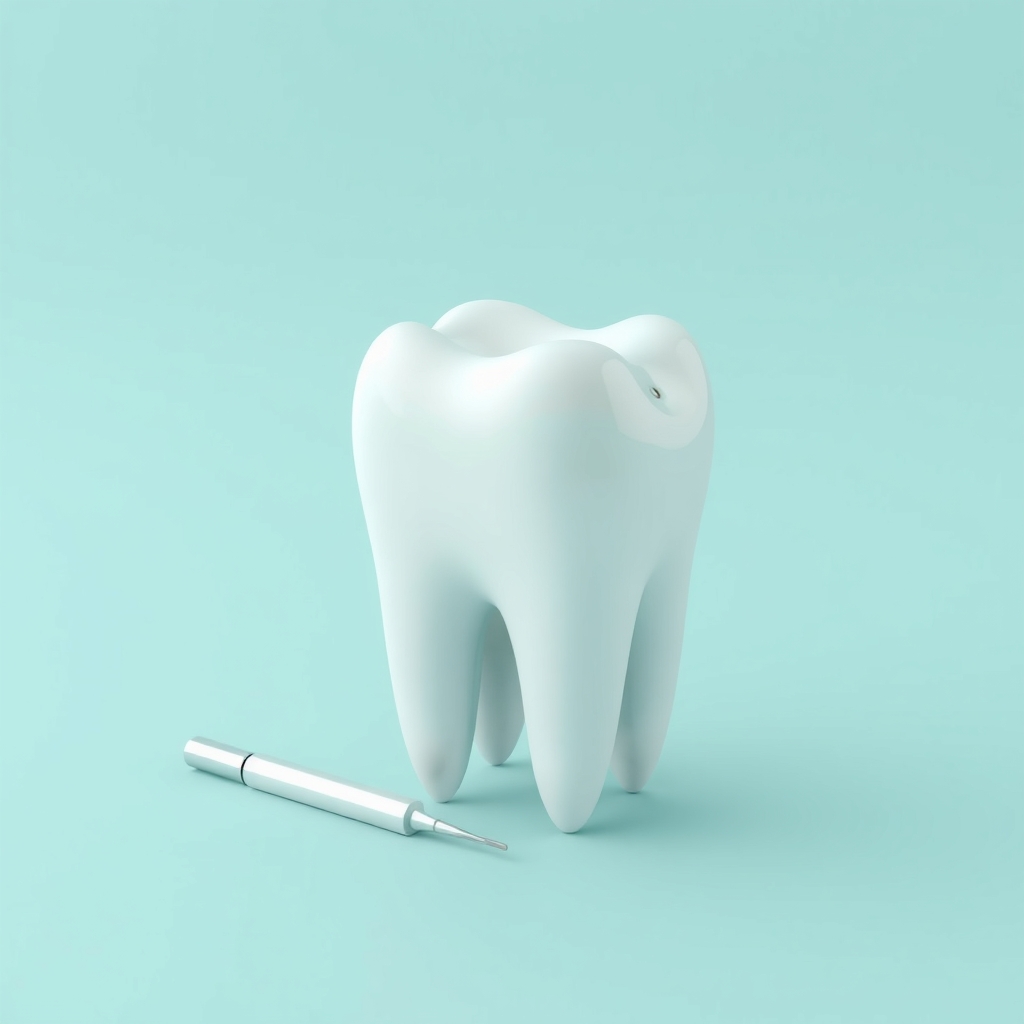
- Visible pits or small holes on the tooth
- A dull ache or pain when biting down, which usually means decay has progressed deeper
If you notice any of these, it is worth getting the tooth checked rather than waiting for pain to worsen. Decay does not go away by itself once it has broken through the enamel.
Why Early Detection Matters
Tooth decay moves through layers. It starts in the outer enamel, moves into the softer dentin underneath, and can eventually reach the nerve at the centre of the tooth (the pulp). The treatment needed depends entirely on how deep the decay has gone by the time it is diagnosed. This is why regular dental check-ups, even without pain, make a real difference. An X-ray can catch decay between teeth long before it is visible or painful.
Treatment Options Based on Severity
Mild Decay: Fillings
When decay is limited to the enamel or has just reached the dentin, a filling is usually enough. The dentist removes the decayed portion and fills the space with a tooth-coloured composite material. This is a single-visit procedure in most cases and preserves the maximum amount of natural tooth.
Moderate Decay: Inlays and Onlays
If too much tooth structure has been lost for a regular filling to hold well, but the tooth is not damaged enough to need a full crown, an inlay or onlay may be recommended. These are custom-made restorations, usually made of ceramic or composite, that are bonded into or over the damaged part of the tooth. They offer more strength and durability than a large filling.
Advanced Decay: Crowns
When decay has spread widely or weakened a large portion of the tooth, a crown is often the better option. A crown covers the entire visible part of the tooth, protecting it from cracking under normal chewing pressure. Sometimes a crown is recommended after a root canal treatment, since teeth that have had root canal therapy can become more brittle over time.
Severe Decay: Root Canal or Extraction
If decay reaches the pulp and causes infection or persistent pain, a root canal treatment is usually needed to save the tooth. In cases where the tooth is too damaged to be saved, extraction may be the only option, followed by a discussion about replacement choices like a bridge or implant.
| Stage of Decay | Typical Treatment | Typical Range (INR)* |
|---|---|---|
| Early enamel demineralisation | Fluoride treatment, monitoring | 500 to 1,500 |
| Small to moderate cavity | Tooth-coloured filling | 800 to 3,000 per tooth |
| Larger cavity, weakened structure | Inlay or onlay | 4,000 to 10,000 per tooth |
| Extensive damage | Crown | 6,000 to 18,000 per tooth |
| Decay reaching the nerve | Root canal treatment plus crown | 8,000 to 20,000+ per tooth |
*These are typical ranges seen in Sector 57, Gurugram, and actual costs depend on the tooth involved, materials used, and clinical findings. Your dentist can give you an accurate estimate after an examination.
Prevention Still Matters Most
Even after treatment, good daily habits protect your teeth from new decay. Brushing twice daily with fluoride toothpaste, flossing once a day, cutting back on frequent sugary snacks, and visiting your dentist every six months are simple steps that go a long way. If you have noticed any dark spots, sensitivity, or discomfort in a tooth, it is best to have it examined soon rather than waiting for the pain to worsen.
Have questions about your teeth?
Dr Aishwarya's Dental Clinic · Sector 57, Gurugram
Frequently asked questions
Can a cavity heal on its own without treatment?
Very early decay that has not broken through the enamel surface can sometimes be reversed with fluoride, better brushing, and reduced sugar intake. Once a cavity has formed a hole, it cannot heal on its own and needs professional treatment.
How do I know if my tooth pain is a cavity or something else?
Sharp pain with sweets or cold, visible dark spots, or a rough patch on a tooth often point to decay. However, pain can also come from gum issues or cracked teeth, so an examination and X-ray are the only reliable way to confirm the cause.
Does a filling hurt?
Most fillings are done with local anaesthesia, so the procedure itself is not painful. Some mild sensitivity to hot or cold for a few days afterward is normal and usually settles on its own.
How long does a filling or crown last?
A well-placed filling typically lasts several years with good oral hygiene, while crowns often last longer, sometimes a decade or more, depending on care and bite forces.
Treatment costs mentioned on this page are indicative ranges for the Sector 57, Gurugram region. Your exact cost depends on your case and will be confirmed after a clinical examination at the clinic.